

What is being done in Durham?
Resources for Agricultural Community
Flood Risk in the Agricultural Community
What opportunities exist for farmers as they adapt to our changing climate?
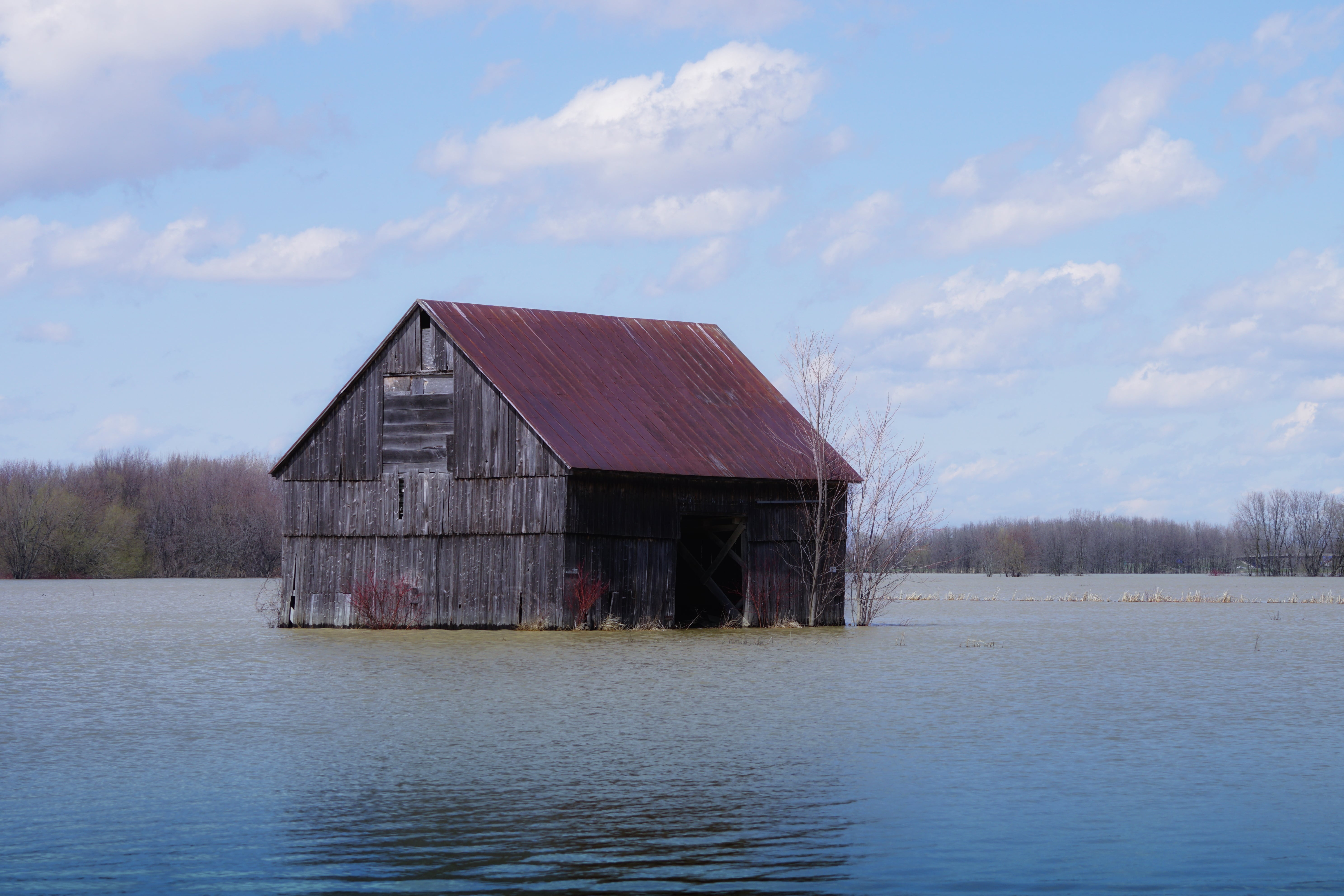
Climate change is bringing wetter and wilder weather to Durham Region, resulting in uncertain, unstable, and more extreme flooding conditions. This poses a unique risk and challenge to local farmers and people working in the agricultural sector, including:
- Altered agricultural conditions
- Impacts to crops, livestock, and production
- Shifting practices or methods to reduce flood exposure or flood damages
- Impacts to supply chain
Helping agricultural landowners and farmers become more resilient and avoid the worst of flooding impacts is vital to Durham Region adaptation to climate change.
Increase your resilience
To increase your resilience, consider developing an Environmental Farm Plan and reaching out to the Ontario Soil and Crop Improvement Association (OSCIA) to learn more.
Environmental Farm Plans (EFP) are assessments voluntarily prepared by farm families to increase their environmental awareness. They can highlight their farm's environmental strengths identify areas of environmental concern, and set realistic action plans with timetables to improve environmental conditions. Consider:
- Determining if your property is located within a floodplain
- Identifying floodproofing measures
- Planning for what agricultural assets may be vulnerable
- Learn about flood evacuation alerts and orders and ways to protect livestock during a flood
- Speak with your insurance broker to determine what is covered
There are many resources available on Best Management Practices (BMPs) related to flooding, such as controlling soil erosion, surface drainage, and minimizing runoff. Visit the OMAFRA website to access BMP publications and resources.
Opportunities and co-benefits
Although adapting to climate change requires planning and resources, there are opportunities and co-benefits that arise from increasing your resilience:
- Direct use benefits: Gains from longer growing seasons and extension of crop production
- Avoid future hazards: Eliminate property damage and crop, livestock, and employment losses
- Enhanced ecosystem services, cultural benefits, and multigenerational learning and resilience
- Planned adaptation reduces the need to adjust farming practices in the future
Resources
Explore the Flood Ready Durham website and the resources below for more information on how you can protect yourself and others you care about:
- Farm Flood Readiness Toolkit (a resource from British Columbia)
- Durham Region ‘Growing Resilience’ Agriculture Sector Climate Adaptation Strategy
- Reach out to your local Conservation Authority for more information on funding and programs for farmlands in our watersheds
- Ontario Environmental Farm Plan (OMAFRA)
- Best Management Practices Publication Virtual Library
- FloodSmart Canada
- Intact Centre on Climate Change Adaptation
Sign up to our Newsletter
Stay up to date on the Region's activities, events, programs and operations by subscribing to our eNewsletters.